Networks·May 5, 2026·6 min read
LoRaWAN Trackers: Long Range, Low Power, No SIM Card
LoRaWAN trades real-time updates for years of battery life and no cellular fees. Here is when it makes sense for vehicle and asset tracking.
LoRaWAN trades real-time updates for years of battery life and no cellular fees. Here is when it makes sense for vehicle and asset tracking.

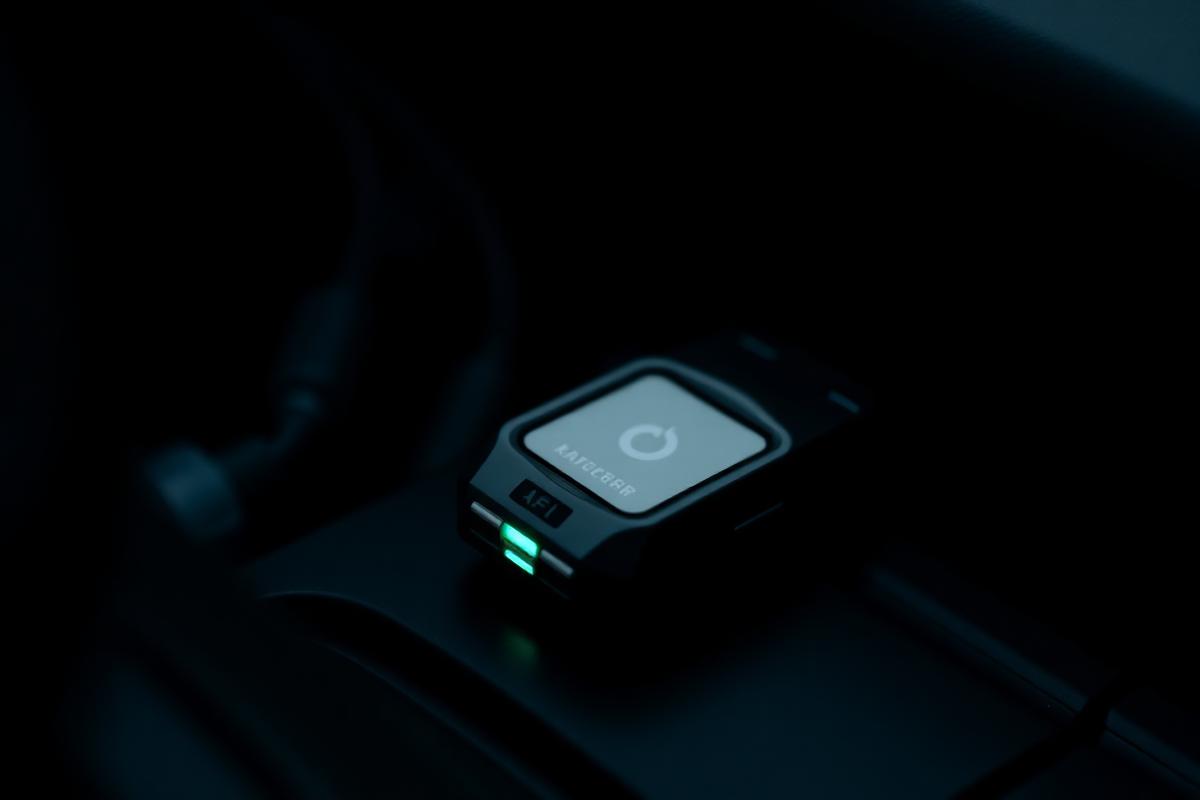
LoRaWAN is a low-power wide-area network designed for devices that need to send small amounts of data over long distances on a tiny power budget. A LoRaWAN tracker can run for years on a single battery and costs nothing per message — provided you are inside the coverage of a network like Helium, The Things Network, or a private gateway you have set up yourself.
The tradeoff is bandwidth and latency. You will get a position every few minutes at best, not every few seconds, and payloads are measured in bytes. That makes LoRaWAN a poor fit for live driver tracking but an excellent one for trailers, plant equipment, containers, and any asset that is mostly stationary and occasionally on the move.
Coverage is the question to answer first. In dense urban areas Helium is often viable; in rural Australia, North America, or Europe, you may need to deploy your own gateway on a high point. A single outdoor gateway can cover 5–15 km of open ground, which is often enough for a depot, farm, or industrial site.
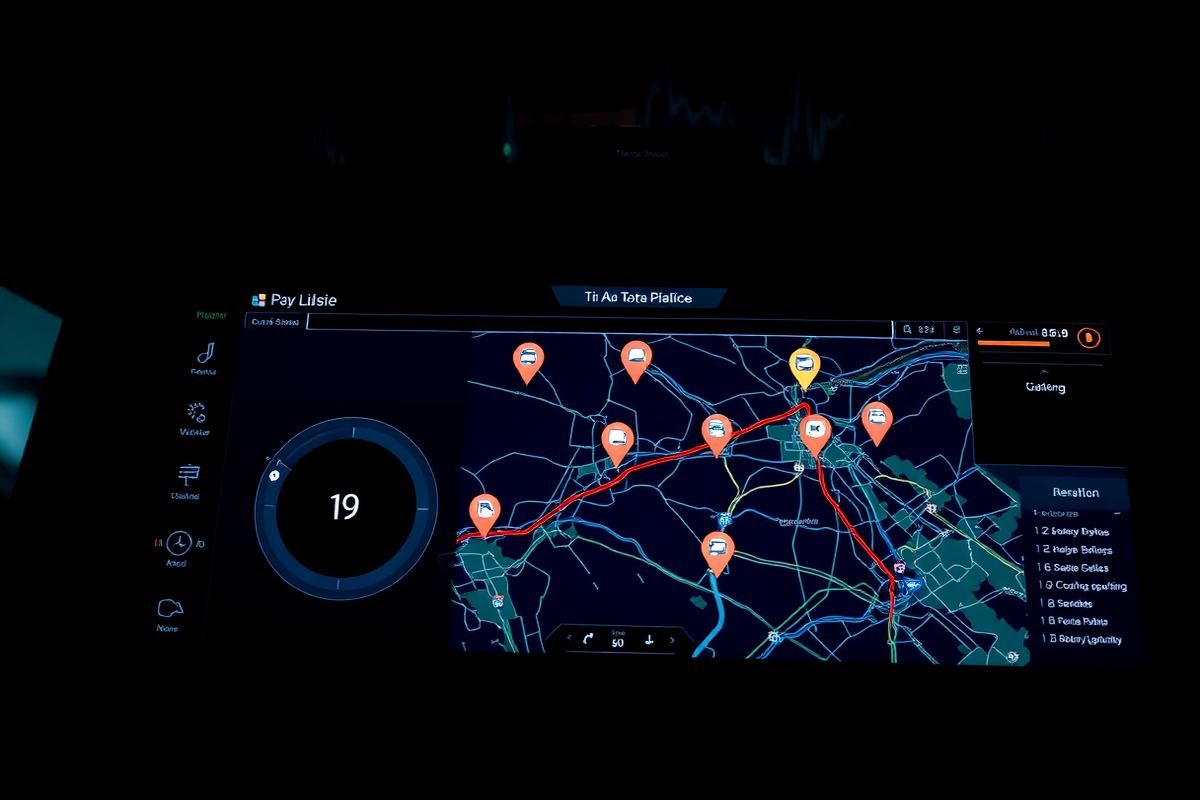
For mixed fleets, a hybrid approach works well: cellular GPS on the active vehicles, LoRaWAN on the trailers and tools they tow around. One platform, two radios, one bill.