Hardware·May 12, 2026·7 min read
GPS Trackers: The Backbone of Modern Vehicle Telemetry
From hardwired OBD-II dongles to magnetic asset trackers, GPS hardware still does most of the heavy lifting. Here is what actually matters when you choose one.
From hardwired OBD-II dongles to magnetic asset trackers, GPS hardware still does most of the heavy lifting. Here is what actually matters when you choose one.
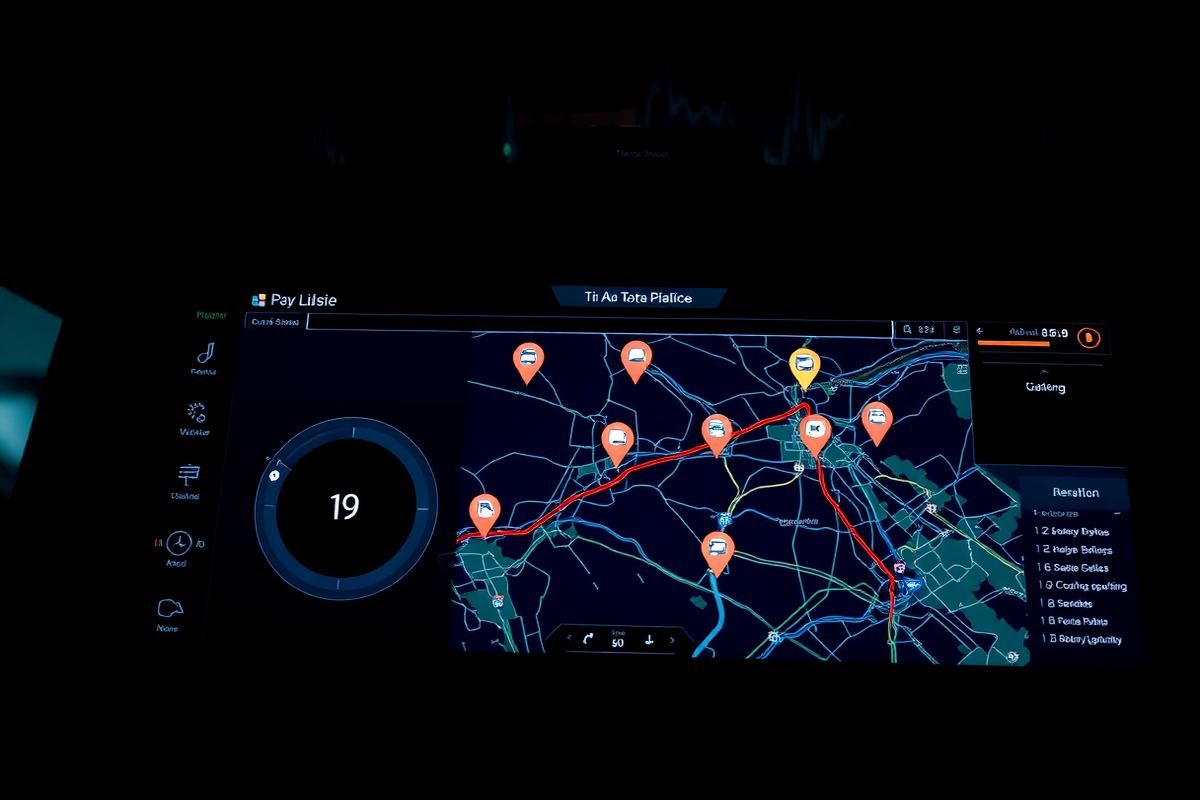
GPS trackers have been the default answer to vehicle tracking for two decades, and for good reason: cellular GPS units are cheap, the cellular networks are everywhere, and the data they produce — lat, lon, speed, heading, ignition — is exactly what fleet operators want to see.
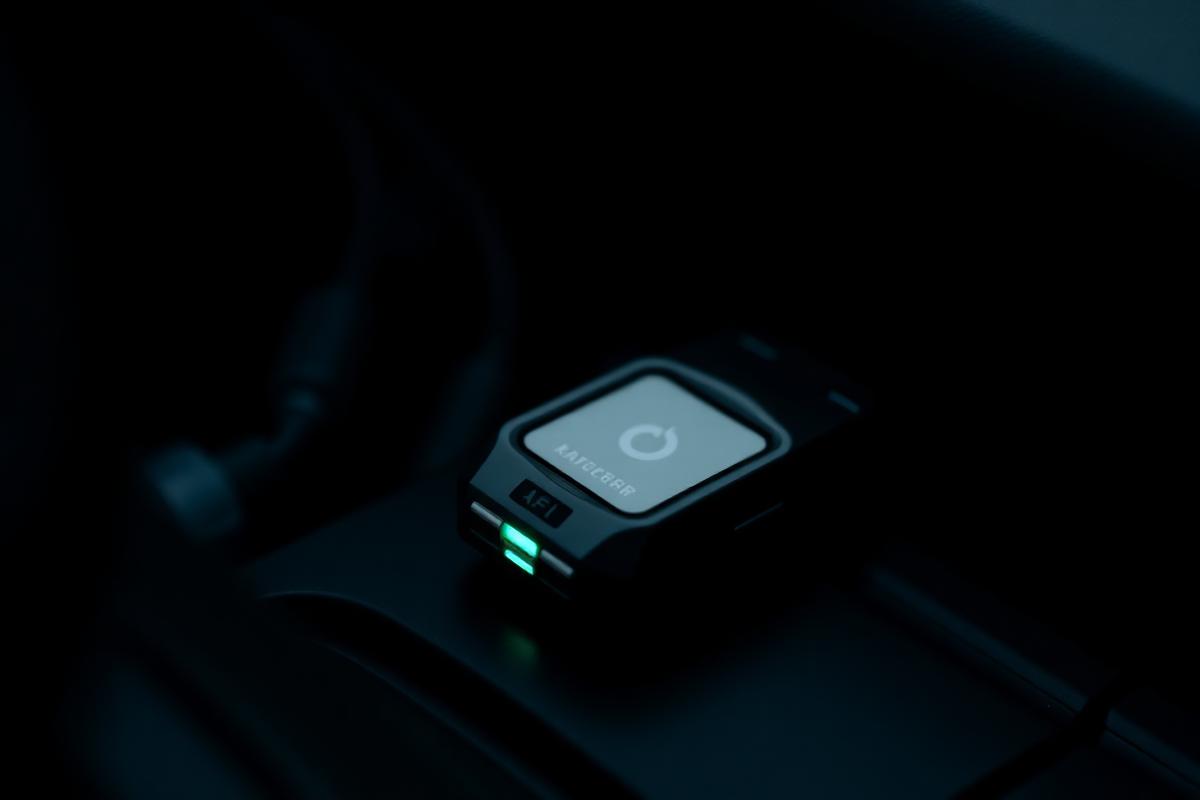
The first decision is power. Hardwired 12 V units installed behind the dash report continuously and survive years without intervention. OBD-II dongles plug into the diagnostic port and add engine telemetry but can be unplugged by anyone who knows where to look. Battery-powered asset trackers, finally, are the right choice for trailers, containers, and gear that has no power of its own.
The second is the network. 4G LTE Cat-M1 and NB-IoT have largely replaced 2G/3G, and the carrier you pick determines coverage in regional areas. If your vehicles ever leave a major city, get a tracker with a roaming SIM or check the carrier's coverage map carefully.
Finally, look at the data plan and the platform. The hardware is rarely the expensive part — it is the per-vehicle, per-month subscription that adds up. A tracker that speaks an open protocol (like the ones Traccar supports) lets you move between platforms without throwing the hardware away.